



We use cookies to deliver the best possible experience on our website. By continuing to use this site, or closing this box, you consent to our use of cookies.

Showers
Bathroom Shower
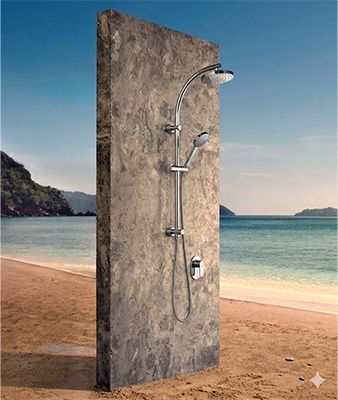
Reimagine your bath space with Jaquar showers, designed with care and expertise. Get ready to experience a world of exquisite design, innovative features, and unmatched quality. Our overhead showers, hand and body showers complement a wide range of shower systems, catering to your unique showering rituals. If you’re looking for excellent precision and consistent water distribution, look no further than Jaquar showers.
Jaquar showers give you a choice of up to 5 different flows matching your mood. No matter what flow you choose - Normal, Massage, Mist, Cascade and Soft, be assured of the ultimate bathing experience.
Experience the perfect shower experience with our high-quality bath shower systems.

Planning a Shower Around the Bathroom Layout
A shower system should be selected as part of the bathroom layout, not as an isolated fitting. Its position affects the usable bathing area, enclosure design, drainage, access to controls and the location of other bathroom fixtures. Planning these elements together helps reduce installation conflicts and makes the finished space more practical.
Begin by assessing the available floor area, wall positions, ceiling height and location of the existing water supply. Identify where the user will stand, where the shower controls can be reached and how the enclosure door or screen will move. A fitting that appears suitable in a product image may not be appropriate if it conflicts with a door, partition, shelf or other fixture.
The bathroom's construction also influences the choice. A new build may offer more freedom to position pipework and prepare a ceiling for a particular outlet. A renovation may need to work around existing pipe routes, wall finishes and drainage. The selected shower should suit both the intended layout and the practical limitations of the building.
Consider the complete installation before finalising the product. This includes the shower head, mounting components, mixer or control valve, any additional outlets, hoses, enclosure and drainage. Confirm the manufacturer's installation requirements and obtain a qualified plumber's assessment where changes to concealed plumbing or structural elements are involved.
Understanding Shower Coverage and Outlet Positioning
Shower coverage depends on more than the diameter or shape of a shower head. The distribution of its outlets, mounting position, spray direction, available water supply and the user's standing position all influence how water reaches the bathing area.
An overhead shower should be positioned so that the spray falls within the intended showering zone. Consider the height of the primary users, the distance from nearby walls and the shape of the enclosure. The mounting point should also allow enough clearance for comfortable movement without creating unnecessary interference with doors, shelves or other fittings.
A larger shower head may distribute water across a wider area, but it does not automatically deliver greater pressure or better performance. Its actual behaviour depends on the design of the fitting and the water supply conditions. Review the technical information for the specific model rather than selecting by dimensions alone.
Handheld outlets introduce a different positioning requirement. The holder should be easy to reach, while the hose should extend far enough for the intended use without becoming stretched, kinked or obstructed. If several people use the bathroom, consider whether the holder position can accommodate their different heights and preferences.
Where a shower includes multiple outlets, assess the coverage of each one separately. The overhead outlet, handheld outlet and any body sprays should work together within the intended bathing zone. Their positions should be established before finalising the enclosure and plumbing layout.
Choosing Between Wall-Mounted and Ceiling-Mounted Showers
Wall-mounted and ceiling-mounted showers create different installation conditions. The right arrangement depends on the product design, existing plumbing, available structure, preferred outlet position and the amount of building work involved.
Wall-mounted arrangements
A wall-mounted shower can be appropriate where the water connection and supporting structure are located on a suitable wall. Some wall-mounted shower heads project from the wall, while shower pipe systems can combine an overhead outlet with other components in a coordinated arrangement. The specific configuration must be checked against the selected product.
During planning, consider the projection of the shower head, the height of the mounting point and the clearance between the outlet and the opposite wall. Confirm that the mounting assembly can be installed securely and that its connections align with the available plumbing.
Wall-mounted arrangements may be easier to consider during some renovations when the existing plumbing is already positioned appropriately. However, replacing a fitting with a different configuration can still require changes to pipework, mounting points or controls.
Ceiling-mounted arrangements
Ceiling-mounted showers can create a more direct overhead spray position, but the ceiling must accommodate the required mounting components and plumbing. A suspended or false ceiling may have limited internal space, so the available cavity depth and support arrangement should be confirmed before the ceiling is finished.
The ceiling finish alone should not be assumed to provide adequate support. Follow the installation instructions for the selected model and ensure that the mounting structure is suitable. Plan access for inspection or servicing where required.
Making the decision
Neither arrangement is universally better. A ceiling-mounted design may suit a new bathroom with planned ceiling access, while a wall-mounted system may be more practical in a space with suitable existing connections. Compare the installation drawings, structural requirements and service access before choosing.
Combining Overhead and Hand Showers
A combination of overhead and hand showers can provide different ways to use the same bathing area. The overhead outlet can serve as the main fixed shower, while a handheld outlet allows water to be directed more precisely. This can be useful for rinsing, cleaning the shower area and accommodating users who prefer to hold the shower head.
The practical value of a combined arrangement depends on the details of the installation. Check how the outlets are connected, how the user switches between them and whether the system permits more than one outlet to operate at the same time. Do not assume that a system supports simultaneous operation simply because it includes several outlets.
Hose reach and holder position deserve particular attention. The hose should reach the intended areas without being pulled tight or trapped by an enclosure door. The holder should keep the hand shower accessible while allowing the spray to be directed safely into the bathing zone.
The control layout should be understandable to everyone who uses the bathroom. Where controls and outlets are separate, label-free operation should still be intuitive through clear positioning and a familiar arrangement. Confirm the manufacturer's instructions for the selected mixer and diverter before finalising the installation.
For a coordinated setup, compare the available hand showers with the intended overhead shower and controls. Product compatibility, included components and connection requirements should be verified for the specific combination rather than inferred from appearance.
Understanding Multi-Outlet and Multi-Function Shower Systems
A multi-outlet shower system and a multifunction shower head are not the same thing. A multi-outlet system uses more than one water outlet, such as an overhead shower and a hand shower. A multifunction shower head provides different spray options through the same fitting. Some installations may include both, depending on the products and controls selected.
This distinction matters when planning the plumbing. Multiple outlets can require a suitable control arrangement, sufficient water supply and careful consideration of which outlets can operate together. A multifunction head may change the spray pattern without requiring the same type of outlet-selection arrangement as a system with separate shower heads.
The Cloud Shower collection on the Sri Lankan website includes listed configurations with two, three and four outlets. These listings demonstrate that outlet arrangements vary within the product range. They do not establish that every configuration has identical controls or that all outlets can operate simultaneously. Check the specific product documentation before deciding on the installation.
Jaquar
For systems with multiple outlets, ask the installer to confirm the required mixer, diverter, water connections and flow capacity. Consider the total demand if multiple outlets may run at once. The hot-water supply must also be adequate for the intended use.
Keep a record of the installed product models and technical documents. This can make later maintenance, replacement and troubleshooting easier, particularly where the system includes concealed valves or several connected outlets.
Understanding Shower Spray Patterns in Everyday Use
Spray patterns affect how water is distributed, but their exact characteristics depend on the shower head's design. A broad rain-style spray, a more concentrated distribution and a finer mist-like output can feel different in use. The most appropriate option depends on personal preference, the intended purpose and the performance conditions of the individual product.
The Sri Lankan shower category describes several spray functions, including Normal, Massage, Mist, Cascade and Soft. These names should be treated as product-specific function labels rather than universal technical definitions. Not every shower head necessarily offers all of them, and the precise operation should be confirmed on the individual product page.
Jaquar
When evaluating spray options, consider the practical outcome rather than relying on the name alone. Think about whether you prefer distributed overhead coverage, a more directed spray or the flexibility of changing the output. If a model has multiple functions, check how they are selected and whether changing the function affects the outlet's operating requirements.
A spray pattern should not be assumed to provide a medical or therapeutic benefit. Descriptions such as massage or mist refer to the product's water delivery experience unless the manufacturer provides a specific, substantiated claim. Choose based on the intended use, the available specifications and the actual requirements of the bathroom.
Water Pressure, Flow Rate and Shower Compatibility
Water pressure and flow rate are related, but they describe different things. Pressure describes the force available to move water through the system, while flow rate describes the volume of water delivered over a period of time. Both affect shower performance, and neither should be judged from the appearance or size of the shower head alone.
The water supply should be assessed under realistic operating conditions. Pressure can vary when other fixtures are in use, and the available flow may be affected by the plumbing, water heater, pipe dimensions and supply arrangement. A shower that works acceptably in one installation may perform differently in another.
Before choosing a large overhead shower or a multi-outlet system, review the product's specified operating conditions and flow information. If the system may run several outlets together, the installer should assess their combined demand rather than considering each outlet in isolation. The hot-water system must be capable of meeting the intended demand as well.
Avoid applying a single pressure figure to every shower model. Requirements can vary by product and installation, so the manufacturer's documentation is the appropriate reference. Where the existing shower has weak, uneven or inconsistent flow, ask a qualified plumber to investigate the supply and plumbing before replacing the fitting.
Do not assume that a shower head marketed with a particular spray technology will compensate for every water supply limitation. Product features and actual performance are separate considerations. Confirm the model's operating requirements and suitability for the available supply.
Concealed and Exposed Shower Systems
Concealed and exposed shower systems differ primarily in how their plumbing and control components are installed. With a concealed arrangement, some components sit behind the finished wall or within the building structure. An exposed arrangement leaves more of the pipework or fittings visible. Each approach has implications for appearance, installation and future access.
Concealed systems
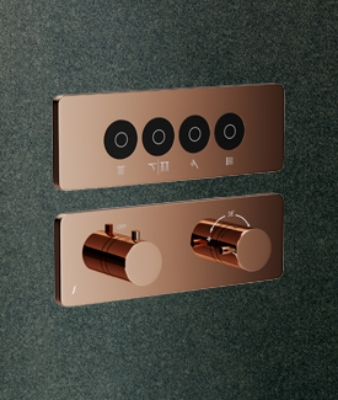
Concealed shower systems can create a visually streamlined result because much of the plumbing is hidden. However, the wall must be prepared for the selected valve, connections and mounting depth. The position of the control plate and shower outlets should be finalised before tiling or completing the wall finish.
Service access needs to be considered from the beginning. Concealed components may require a specified access route or a particular method of removal for maintenance. Do not close the wall until the installer has checked the connections, tested the system and confirmed that the installation follows the product instructions.
Exposed systems
Exposed arrangements keep more of the system visible and may be suitable where the plumbing layout supports the chosen configuration. The visibility of the fittings can make the installation arrangement easier to understand, but it does not remove the need for correct connections, secure mounting and product compatibility.
The shower pipe systems available in the Sri Lankan range include exposed shower pipe configurations. The exact fittings, holder arrangements and compatible mixer connections vary by model, so the product listing and installation documentation should be reviewed before selecting a set.
Jaquar
Choosing an installation type
Consider the existing wall construction, plumbing position, renovation budget, service access and desired appearance. A concealed system should be planned early, while an exposed configuration still needs suitable connections and secure mounting. Neither arrangement should be assumed to fit every bathroom without checking the specifications.
Selecting Shower Controls and Temperature Regulation
Shower controls determine how water flow and temperature are adjusted, and their layout affects how easily a system can be operated. Depending on the installation, controls may be integrated into an exposed mixer, positioned on a concealed control plate or incorporated into a more specialised system.
A conventional mixer combines hot and cold water through a manually adjusted control. A thermostatic mixer is designed to regulate the selected water temperature. The suitability of either arrangement depends on the particular product, the hot and cold supply conditions and the requirements of the connected shower outlets.
The official Sri Lankan range includes thermostatic mixer products and Cloud Shower systems. However, their control methods and features vary, so check the relevant product documentation rather than assuming that every system has the same temperature regulation or safety features.
Jaquar+1
Control placement should be considered from the user's normal standing position. Ideally, the controls should be reachable without requiring an awkward movement through the main spray. The arrangement should also be clear enough for guests or other household members who may be unfamiliar with the system.
Before installation, verify the required hot and cold connections, operating conditions and compatibility with the water heater. If a system includes a diverter, confirm which outlets it controls and how outlet selection works. For any product-specific temperature limit or safety mechanism, rely on the manufacturer's documentation and installation instructions.
Shower Planning for Different Users and Bathroom Types
A suitable shower arrangement depends on who will use the bathroom, how frequently it is used and the physical space available. A private en-suite may prioritise a compact, coordinated layout, while a family bathroom may need flexible controls and accessible handheld equipment. Shared and hospitality bathrooms may also require straightforward operation and maintainable components.
Compact bathrooms
In a compact bathroom, examine the relationship between the shower head, enclosure, door movement and other fixtures. A fitting that projects too far into the space may interfere with movement, while a poorly positioned outlet may send water beyond the intended wet area. Check dimensions and clearances before confirming the layout.
A handheld outlet may provide useful flexibility, but its holder and hose still need suitable placement. Avoid assuming that a small bathroom automatically requires a particular shower type. The correct arrangement depends on the enclosure, water supply and product dimensions.
Family and guest bathrooms
For a shared bathroom, prioritise controls that are easy to understand and outlets that can accommodate different users. Consider holder reach, hose movement, temperature adjustment and whether the system's functions are intuitive. Maintenance access is also important when several people use the shower regularly.
Hospitality and commercial projects
High-use environments require careful attention to operating conditions, cleaning procedures, service access and consistency across installations. Product selection should be based on the project's actual water supply, anticipated usage and maintenance resources. Requirements for a hotel guest bathroom may differ from those for a staff facility or a public washroom.
Bathrooms designed for users with limited mobility
Consider the reach of controls, the position of the handheld shower, available movement space and whether the enclosure creates an obstacle. A flexible outlet may be helpful, but the overall layout must support the user's specific requirements. Where accessibility standards apply, confirm the relevant local requirements with the project designer or qualified professional instead of assuming that a particular product is compliant.
Coordinating Shower Finishes and Bathroom Design
Shower fittings are prominent visual elements, so their finish, shape and proportions should be considered alongside the rest of the bathroom. Coordinating the shower with basin mixers, faucets, accessories and enclosure hardware can create a consistent appearance. Alternatively, a deliberate contrast can make the shower a distinct feature.
Start with the finish of the main visible fittings. Chrome may work with an existing set of chrome fixtures, while darker or warmer metallic finishes can create contrast against lighter tiles and surfaces. The final choice should reflect the bathroom's overall palette, lighting and other visible hardware rather than an isolated product image.
Finish names and product photographs are useful starting points, but they do not guarantee an exact match between different ranges. Confirm the available finish for each selected component and check samples where colour consistency is important. Availability may vary between products, and not every finish is necessarily offered across the full collection.
Shape also influences visual coordination. Round shower heads may complement curved fittings, while square or rectangular designs can work with angular tiles and controls. These are design considerations rather than strict rules. A mixed-shape bathroom can look coherent when the proportions and finishes are chosen intentionally.
Cleaning requirements should be considered as well. Some surfaces show water spots or mineral residue more readily than others, depending on the finish and local water conditions. Follow the care instructions for the specific product and avoid choosing a finish based solely on appearance.
Shower Enclosures, Drainage and Wet-Area Planning
The shower head, enclosure and drainage arrangement should be planned together because water must remain within an appropriately designed wet area. The direction of the spray, the position of the outlet, the enclosure opening and the location of the floor drain all affect how the space functions.
A shower head directed toward an open entrance can increase the chance of water escaping the enclosure. A handheld outlet may also be directed beyond the intended bathing area if the hose and holder are not positioned thoughtfully. Consider the likely direction of water during normal use and while rinsing the enclosure.
The enclosure should allow comfortable entry and movement while containing water as intended. Door swing, sliding-door travel and the position of nearby fixtures should be checked before installation. The selected shower head should not interfere with the enclosure or direct spray into gaps that the design cannot contain.
Drainage and waterproofing are equally important. The floor and drainage system must be designed for the bathroom's layout and expected water discharge. Waterproofing details, floor gradients and drainage capacity should be assessed by the relevant building professional or installer in line with applicable local requirements. A shower fitting cannot compensate for inadequate waterproofing or drainage.
For projects using glass partitions or enclosed shower spaces, review the available shower enclosures and consider their layout alongside the chosen outlet. The enclosure dimensions, opening method and installation conditions should suit the actual shower area, not just the appearance of the finished design.
Cleaning Shower Heads and Maintaining Spray Performance
Regular cleaning helps keep shower surfaces presentable and allows users to notice changes in spray distribution or visible leaks. The appropriate method depends on the product's materials, finish, nozzle design and the mineral content of the local water supply.
Routine surface cleaning
Wipe the shower head and visible fittings with a soft cloth or sponge, using a cleaning product approved for the surface. Rinse away any residue as directed by the manufacturer and dry the surface where appropriate. Avoid abrasive pads, sharp tools and aggressive chemicals that could damage the finish or the spray outlets.
Managing limescale and mineral deposits
Mineral deposits may accumulate around shower outlets, particularly in areas with hard water. Where the product has flexible silicone spray nozzles and the manufacturer permits manual cleaning, gently rub the nozzles to loosen surface deposits. Follow the product's specific instructions rather than applying the same method to every material or nozzle design.
Rubit technology is described on the existing category page as a feature associated with flexible silicone spray jets that can be rubbed to remove deposits. It should not be interpreted as eliminating all limescale, removing the need for cleaning or guaranteeing unchanged performance under every water condition.
Checking components and investigating changes
Periodically inspect accessible hoses, connections, holders and visible joints for wear, looseness or leakage. If spray distribution changes, check the manufacturer's cleaning guidance before attempting further intervention. Persistent low flow, leaks or problems with a concealed valve should be assessed by a qualified professional.
Do not dismantle concealed components or force a stuck control unless the product documentation explicitly provides the procedure. Keep the product model and installation documents available so that maintenance can follow the correct instructions.
Shower Selection During Bathroom Renovation
Replacing a shower head is different from upgrading a complete shower system. A like-for-like replacement may require relatively limited work if the new fitting is compatible with the existing connection and mounting arrangement. A full system upgrade can involve changes to the mixer, diverter, pipework, wall construction, ceiling support or enclosure.
Before choosing a replacement, document the existing setup. Identify the current outlet position, mounting method, visible controls and any concealed components. Establish whether the existing water supply and hot-water system can support the intended replacement, particularly if the new arrangement includes a larger shower head or multiple outlets.
A change from an exposed system to a concealed one generally requires more extensive planning because components must be accommodated behind the finished wall. Even a change between two visible fittings may require different connections or mounting parts. Product appearance alone is not a reliable guide to compatibility.
Use the renovation stage to check the full installation sequence. The plumber should confirm pipework and valve requirements before walls are closed, while the designer or contractor should coordinate waterproofing, tiling, ceiling finishes and enclosure installation. Test the system and verify accessible connections before completing the surrounding finishes.
For a renovation involving several outlets or a new control arrangement, request a compatibility assessment for the exact products. Keep technical drawings, installation instructions and product references for future maintenance. Early verification is generally more practical than discovering a mismatch after the wall or ceiling has been finished.
Common Shower Selection and Planning Mistakes
Many shower installation problems begin when the product is selected before the bathroom conditions have been assessed. Checking the following points early can help reduce avoidable changes during installation.
- Choosing by size alone: A large shower head may not suit the available water supply or enclosure. Review the flow requirements, dimensions and mounting instructions for the selected model.
- Overlooking mounting clearance: A head may conflict with the ceiling, a wall, a door or another fixture. Confirm its dimensions and position against the actual layout.
- Ignoring hose reach: A handheld shower can be difficult to use if the hose is too short, becomes stretched or catches on the enclosure. Check the hose length and holder position.
- Assuming all outlets work together: Multiple outlets do not automatically mean simultaneous operation. Verify the controls, diverter and specified operating modes.
- Delaying concealed-system planning: Valve depth, pipe connections and service access should be established before wall finishes are completed.
- Forgetting maintenance access: Concealed components may require a defined service route. Follow the installation instructions and avoid blocking required access.
- Treating drainage as a separate issue: The shower's spray direction and outlet position affect the wet area. Coordinate the shower with enclosure design, waterproofing and drainage.
- Assuming every spray mode is equivalent: Function names vary by product. Check the exact spray options and their operating requirements.
- Selecting finishes independently: Similar-looking products may have different finish availability or colour appearance. Verify the finish for each component before ordering.
- Assuming similar products have identical specifications: Two shower heads with a similar appearance may differ in dimensions, flow requirements, mounting parts or functions. Use the official product documentation for the exact model.
These checks help align the chosen shower with the physical bathroom, available plumbing and intended use. Where a proposed change affects concealed pipework, electrical components or structural support, seek a qualified professional's assessment before proceeding.
A Practical Shower Selection Framework
Use the following sequence to evaluate a shower before finalising the product and installation.
- Define the intended use. Consider whether the shower is for an en-suite, family bathroom, guest bathroom or high-use project. Identify any particular requirements for reach, control placement or flexibility.
- Measure the available space. Record the bathing area's dimensions, ceiling height, wall positions and enclosure movement. Check that the intended outlet can be positioned without obstructing movement.
- Choose the outlet arrangement. Decide whether the installation needs a fixed overhead shower, a handheld outlet or a combination. For multiple outlets, confirm which functions the proposed system supports.
- Confirm mounting and plumbing requirements. Determine whether the selected product is wall-mounted, ceiling-mounted, exposed or part of a concealed system. Check the required connections and mounting components.
- Assess water pressure and flow. Compare the supply conditions with the product's specified operating requirements. Ask a plumber to assess the system if the supply is inconsistent or if several outlets may operate together.
- Select appropriate controls. Check how flow and temperature are adjusted, whether a diverter is required and whether the controls suit the intended users. Verify the hot-water supply requirements.
- Coordinate enclosure and drainage. Review the spray direction, door movement, wet-area boundaries, waterproofing and drainage design as one system.
- Choose the finish and shape. Compare the selected shower with the other visible fittings and confirm finish availability for the exact product.
- Plan maintenance. Check the cleaning instructions, accessibility of serviceable parts and any specific care requirements for the chosen finish or spray outlets.
- Verify before installation. Review the manufacturer's technical drawings, product specifications and installation instructions. Confirm compatibility with the installer before completing walls, ceilings or enclosure work.
The available shower collection includes different product types and configurations for different installation needs. Compare the specifications for the individual products, then select the arrangement that fits the bathroom layout, water supply and intended use. Product selection and professional installation should be considered together to help the finished system operate as intended.
Show Types of Showers
- 01
Overhead Showers
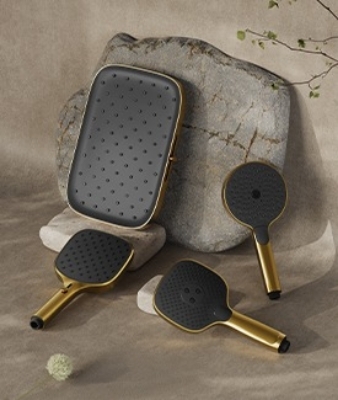
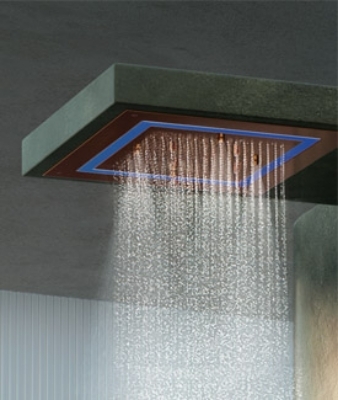
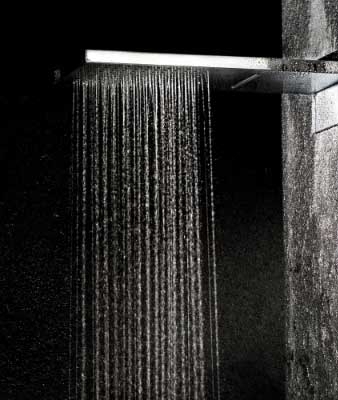
Indulge in a waterfall of warm water with overhead shower heads. The rejuvenating touch of each drop will wash away the stress and leave you feeling refreshed.
- 02
Hand Showers
The flexibility and control of handheld showers are delightful. With Jaquar hand shower, sleek designs meet luxurious spray patterns.
- 03
Body Showers
Revitalize yourself with body showers. Sprays from a side panel ensure relief for body aches.
- 04
Shower Pipe Concepts
The cool minimalistic look of Jaquar's Shower Columns Pipe Concepts will help you unleash industrial elegance in your bathroom.
Show Features for Unmatched Comfort
- 01
Advanced Rubit Technology
A feature that keeps showers clean and increases their longevity. Since the spray jets on the showers are made from elastic silicon, they ensure that no lime scale deposits stick to the shower face. Even if they do, they can be easily rubbed off by hand or flannel.
- 02
Click Position System
All Jaquar multi-function showers feature the convenient click mechanism. You can feel and hear the click while changing the function of the shower sprays.
- 03
Thermo Insulation
Jaquar's insulated shower systems prevent scalding by not heating up the shower body.
- 04
Jaquar Booster Technology
Jaquar Booster Technology creates the sensation of a full shower regardless of the water pressure.
Show Designs to Suit Every Style:
Jaquar brings you a diverse range of shower designs to suit your bath spaces perfectly.
- Experience the graceful elegance of ovals
- Embrace the classic appeal of rounds
- Infuse a modern touch with squares
- Highlight your style with the chic edges of rectangles.
Show Why Choose Showers by Jaquar?
- Warranty: Enjoy peace of mind with up to 10-year warranty on showers.
- Durability: Designed with high-quality materials, our showers withstand years of use without losing their shine.
- Technology: Advanced flushing systems correct water pressure and flow.
- Unmatched Finishes: Complement your bathroom's decor with Jaquar's diverse range of shower finishes.
- Jaquar Care: Jaquar understands the importance of maintaining your shower's form and function. We have a dedicated team to help you with simple cleaning tips and resolutions in a quick time to ensure your shower continues to shine.
Show Jaquar: A Global Leader in Bathware Solutions:
For over 60 years, Jaquar has been recognized as a global leader in bathware solutions, synonymous with innovation, quality and timeless design. Choose Jaquar showers and experience the difference in your bathroom.
With Jaquar showers, you're not just buying a fixture. You're investing in the daily ritual of self-care and rejuvenation.

Square

Round

Oval

Rectangular
FAQs:
A shower is a bathroom fixture designed to spray water over the body for bathing. Unlike tubs, showers provide quick, efficient cleansing while conserving water. They can be fixed or handheld, simple or advanced, and often come with adjustable spray modes. Modern showers also focus on comfort, offering rainfall effects, massage jets, or digital temperature controls. By combining hygiene with convenience, showers have become an essential feature in contemporary bathrooms, offering both practicality for everyday use and luxury for relaxation.
Showers are available in different designs, each serving unique needs and preferences:
- Overhead showers: mounted above for a rainfall-like effect.
- Hand showers: detachable and flexible, ideal for targeted use.
- Rain showers: wide spray heads for a spa-like experience.
- Body showers: multiple side jets that massage the body.
- Smart showers: feature digital controls, thermostats, and preset modes.
- Dual showers: combine overhead and hand showers in one setup.
| Feature | Overhead Shower | Hand Shower |
|---|---|---|
| Installation | Fixed to the ceiling or wall, above the user | Connected via a flexible hose |
| Water Experience | Rainfall-like, immersive coverage | Targeted cleaning and flexibility |
| Convenience | Great for relaxation and luxury bathing | Ideal for rinsing, cleaning, and mobility |
| Best For | Spa-like bathing experiences | Daily use, families, children, elderly |
| Flexibility | Limited movement | High flexibility and multi-purpose use |
Choosing the right shower involves considering functionality, comfort, and bathroom layout. Key factors include:
- Water pressure levels in your home.
- Bathroom size and available installation space.
- Preference for fixed, handheld, or a combination.
- Desired experience: relaxation (rain shower) or utility (hand shower).
- Ease of maintenance and cleaning.
- Finishes and designs that complement bathroom décor.
- Extra features like thermostatic control, multiple spray modes, or eco-flow settings.
The best shower depends on lifestyle and space.
- For small bathrooms, hand showers are versatile and practical.
- For a more indulgent experience, rain or overhead showers create a spa-like atmosphere.
Many homeowners now prefer a dual system, combining the luxury of an overhead shower with the flexibility of a handheld one.
This provides the best of both worlds—an immersive bathing experience along with convenience for everyday use, cleaning, or assisting children and elderly family members. The right choice balances functionality, comfort, and style.